
Tree and Shrub Trimming in Strasburg, Virginia
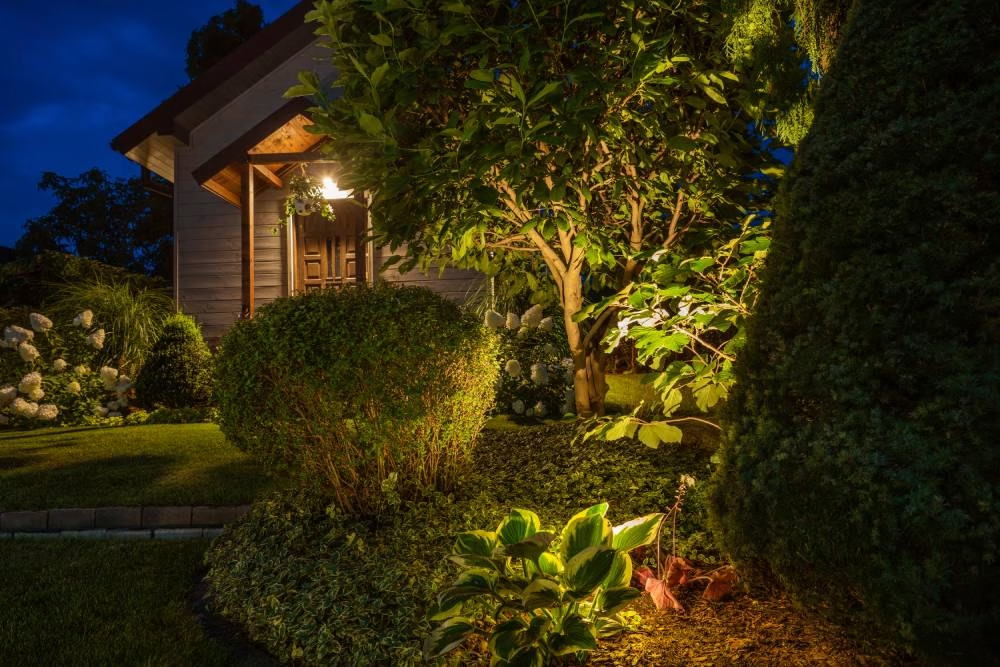
Well-maintained trees, shrubs, and hedges help give your property a clean and organized appearance. Overgrown branches, uneven shrubs, and untrimmed hedges can affect the overall look of your landscape and make outdoor areas feel less maintained.
Schleig Landscaping provides tree and shrub trimming in Strasburg, Virginia, helping homeowners maintain their existing landscape plants and outdoor spaces. Whether your property needs tree trimming, bush trimming, shrub pruning, or hedge trimming, the work should be planned according to the plant type, growth condition, and desired appearance.
Tree Trimming
Tree trimming involves removing selected branches to maintain a tree’s appearance, manage its growth, and address certain maintenance concerns. The appropriate trimming approach depends on the tree species, size, condition, and location.
Tree trimming may include:
-
Removing selected dead or damaged branches.
-
Addressing branches that interfere with nearby landscape areas.
-
Improving the tree’s overall appearance.
-
Managing excessive or uneven growth where appropriate.
-
Maintaining clearance around selected outdoor areas.
Not every tree requires the same trimming approach. Excessive cutting can damage trees, so pruning should consider the tree’s structure and seasonal requirements. Large trees, hazardous limbs, and work near power lines may require a qualified tree-care professional.
Bush Trimming
Bush trimming helps maintain the shape and appearance of landscape bushes. Regular attention can prevent selected bushes from becoming overgrown or extending too far into walkways and surrounding areas.
Depending on the plant and project requirements, bush trimming may involve:
-
Reducing excessive growth.
-
Shaping bushes for a more consistent appearance.
-
Removing selected dead or damaged growth.
-
Maintaining space around walkways and landscape features.
-
Keeping bushes within their intended landscape areas.
The amount of trimming should depend on the plant’s natural growth habit and the desired result.
Shrub Pruning
Shrub pruning is more focused on managing individual branches and the overall structure of a shrub. It can help remove unwanted growth and maintain the plant’s form.
Shrub pruning may address:
-
Dead or damaged branches.
-
Crossing or crowded growth.
-
Uneven or unwanted branches.
-
Overgrown sections affecting nearby plants.
-
Growth that needs to be managed for the landscape design.
Different shrubs respond differently to pruning. Flowering shrubs, evergreen shrubs, and deciduous varieties may require different timing and techniques. Pruning at the wrong time can affect flowering or future growth, so plant type should be considered before work begins.
Hedge Trimming
Hedges often serve as landscape borders, privacy features, and visual boundaries around outdoor spaces. Regular hedge trimming helps maintain a more consistent shape and controlled appearance.
Hedge trimming may include:
-
Reducing excessive growth along the sides and top.
-
Maintaining a consistent hedge shape.
-
Addressing uneven sections.
-
Clearing growth that extends into nearby areas.
-
Removing suitable dead or damaged portions.
The appropriate trimming frequency depends on the hedge species, growth rate, and desired appearance. A suitable approach should also allow enough light to reach the lower sections of the hedge.
Landscape Assessment Before Trimming
Before starting a trimming or pruning project, it is important to review the plants and understand what work is appropriate.
A property assessment may consider:
-
Plant identification: Different trees, bushes, and shrubs have different growth habits and pruning requirements.
-
Current condition: Identify dead, damaged, crowded, or overgrown sections.
-
Plant size and location: Consider how close plants are to buildings, walkways, driveways, and other landscape features.
-
Desired appearance: Discuss whether the goal is general maintenance, shaping, or reducing excessive growth.
-
Seasonal timing: Consider the best time to trim each plant without interfering with its natural growth or flowering cycle.
-
Project access: Review the space and equipment access needed to complete the work.
This assessment helps establish a suitable project scope instead of applying the same trimming method to every plant.
Defining the Tree and Shrub Trimming Project Scope
Every property has different landscaping requirements. Before work begins, the project scope should clearly identify which plants and areas are included.
Depending on the estimate, the project may specify:
-
Number and type of trees, bushes, shrubs, or hedges.
-
Approximate size and condition of the plants.
-
Branches or sections requiring attention.
-
Desired trimming or pruning results.
-
Areas requiring access or additional preparation.
-
Whether debris collection and removal are included.
-
Any work that requires a separate tree-care specialist.
A clear scope helps homeowners understand what will be completed and prevents confusion about additional work.
Cleanup After Trimming and Pruning
Trimming and pruning can leave branches, leaves, and other plant material around the work area. Cleanup is an important part of maintaining a neat outdoor space after the project.
Depending on the agreed scope, cleanup may include:
-
Collecting cut branches and twigs.
-
Gathering leaves and loose plant debris.
-
Clearing the immediate work areas.
-
Removing collected debris when included in the estimate.
-
Leaving nearby landscape beds and walkways in an orderly condition.
Large branches, extensive tree debris, or special disposal requirements may need separate arrangements. Confirm whether hauling and disposal are included before approving the estimate.
When Should You Schedule Tree and Shrub Trimming?
The right schedule depends on plant species, growth patterns, and the reason for trimming. Some shrubs benefit from pruning after flowering, while others are better maintained during dormancy. Trees also have different pruning requirements depending on their species and condition.
Consider these factors when planning a project:
-
Plant type and seasonal growth cycle.
-
Flowering periods and expected new growth.
-
Dead, damaged, or interfering branches.
-
Current weather and ground conditions.
-
Overall landscape maintenance requirements.
-
Access to the areas requiring work.
Dead or hazardous branches may need attention sooner, regardless of the usual seasonal schedule. Work involving large or dangerous branches should be handled by an appropriately qualified tree-care professional.
What Affects Tree and Shrub Trimming Costs?
The cost of a trimming project depends on the amount of work required and the condition of the plants.
An estimate may account for:
-
Number of trees, bushes, shrubs, and hedges.
-
Height, width, and density of plant growth.
-
Amount of trimming or pruning required.
-
Accessibility of the work areas.
-
Special equipment or preparation needs.
-
Volume of branches and debris.
-
Cleanup, hauling, and disposal requirements.
Review the estimate to confirm which plants are included, what trimming tasks will be performed, and how the resulting debris will be handled.
Tree and Shrub Trimming in Strasburg and Nearby Areas
Schleig Landscaping serves Strasburg and nearby communities. Explore our local service-area pages to learn more about landscaping services in your area.
Related Landscaping Services
Tree and shrub maintenance can complement other landscaping improvements around your property.
Frequently Asked Questions
What is the difference between tree trimming and shrub pruning?
Tree trimming generally focuses on selected branches and the overall appearance or maintenance of a tree. Shrub pruning focuses on managing individual branches, removing unwanted growth, and maintaining the structure of shrubs.
How often should bushes and hedges be trimmed?
The schedule depends on the plant species, growth rate, and desired appearance. Some fast-growing hedges need more frequent attention, while other shrubs require only occasional pruning.
Can all shrubs be pruned at the same time?
No. Different shrubs have different flowering and growth cycles. Pruning at the wrong time may remove developing flower buds or interfere with normal growth.
Does tree trimming include branch removal?
Selected branch removal may be included when it is part of the agreed project scope and appropriate for the tree. Large or hazardous branches may require specialized tree-care services.
Is cleanup included after trimming?
Cleanup depends on the project estimate. Confirm whether collecting branches, gathering leaves, hauling, and disposal are included before the work begins.
When is the best time to trim trees and shrubs?
Timing depends on the plant species, its condition, and the purpose of trimming. Seasonal growth and flowering cycles should be considered when planning routine pruning.
Request a Tree and Shrub Trimming Estimate
Keep your outdoor spaces looking neat with a trimming plan based on the condition and needs of your landscape. Contact Schleig Landscaping to discuss tree trimming, bush trimming, shrub pruning, or hedge trimming in Strasburg, Virginia.